£26m regeneration scheme in Rugby which will deliver 108 affordable...Read More

Planning approved - MEC supported Gleeson Land Ltd with Air...Read More

Baldwins Gate Grange is a strategic site north of the...Read More
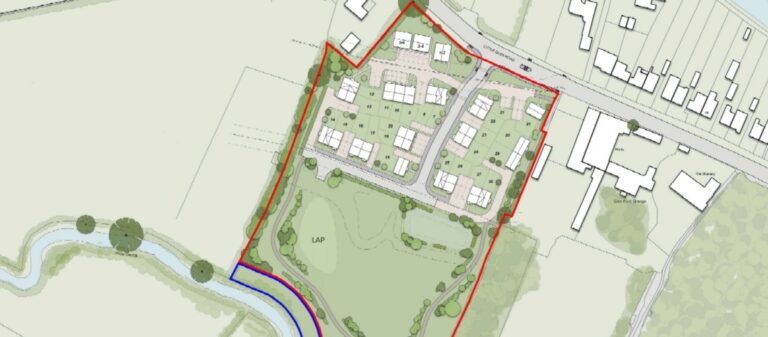
MEC was proud to support Clarendon Land & Development in...Read More
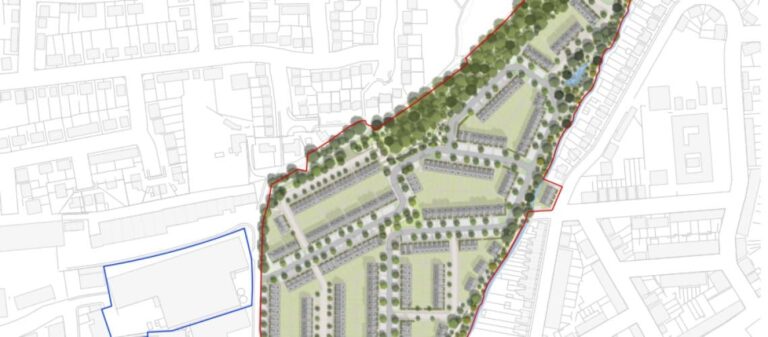
MEC worked closely with Worthearly Limited for over eight years...Read More

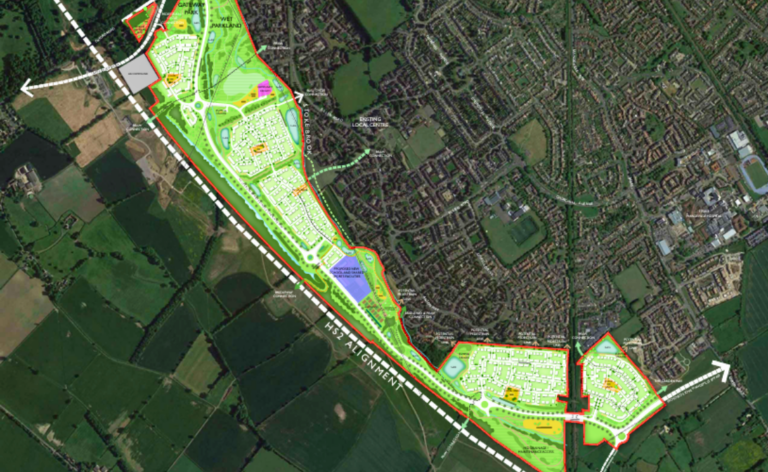
Air quality assessments are often required to support planning applications, particularly where developments may affect or be affected by traffic and existing pollution levels. MEC undertakes both screening and detailed assessments, using recognised tools and dispersion modelling to evaluate pollutant concentrations. Our team identifies potential impacts on sensitive receptors and provides mitigation strategies to support successful planning outcomes.
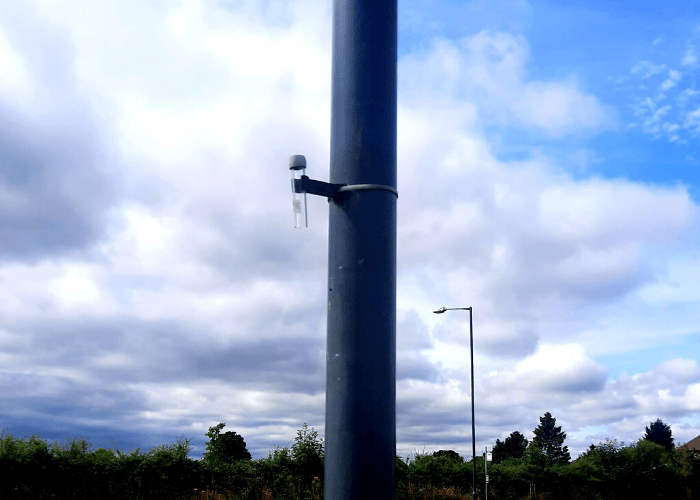
Monitoring provides valuable data to understand existing air quality conditions and inform assessment and design. Where required, MEC can undertake monitoring across development sites, identifying appropriate locations and working with local authorities to ensure compliance with their requirements. The results support modelling, validate assumptions and help shape mitigation strategies to improve air quality outcomes.
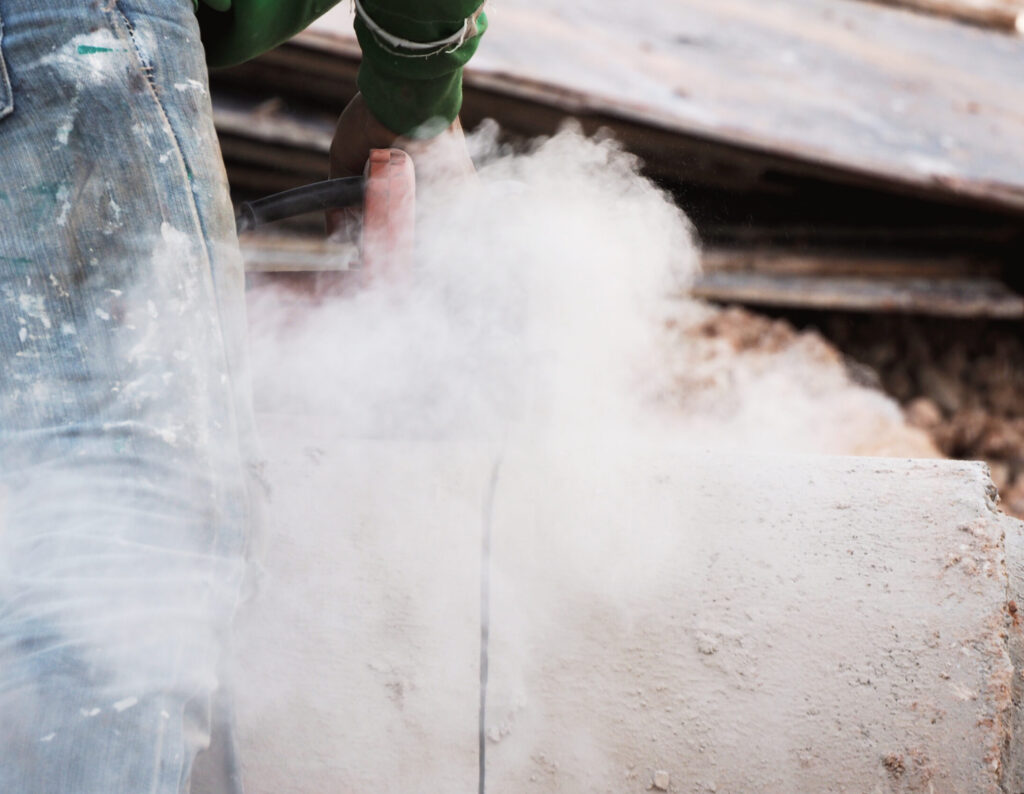
Dust assessments help identify and manage the potential effects of dust from construction activity, vehicle movements, industrial processes and other sources on neighbouring properties and sensitive receptors. MEC can assess likely risks, advise on proportionate mitigation measures and prepare Dust Management Plans where required, helping projects meet planning and environmental requirements.
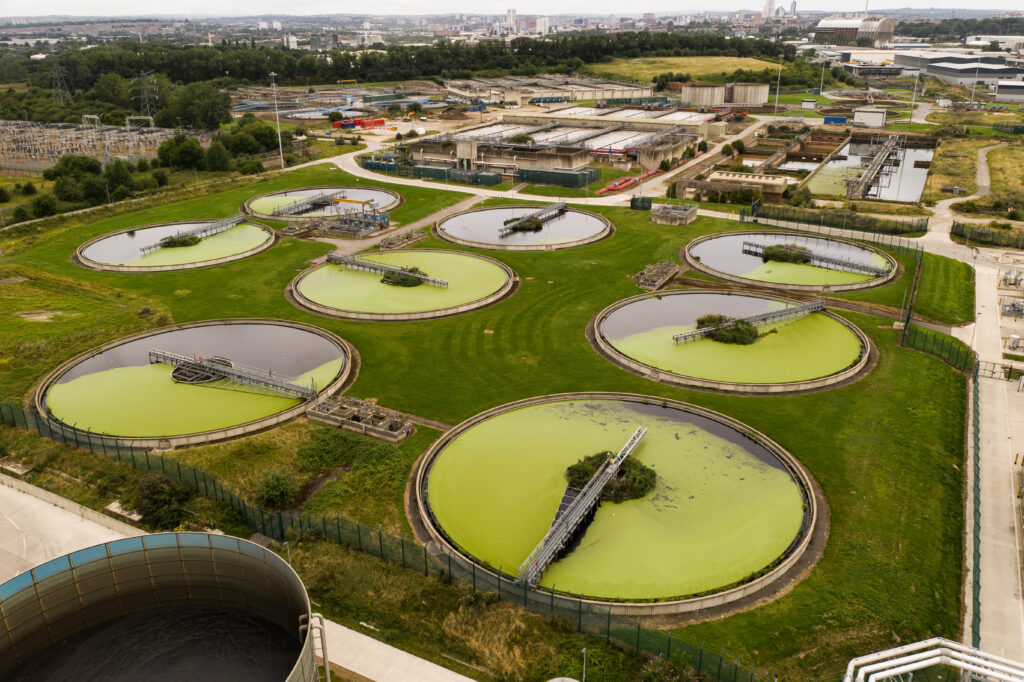
Odour can be a key consideration where developments are located near existing sources such as agriculture or industrial uses. MEC undertakes odour assessments to evaluate potential impacts on proposed developments, using recognised methodologies and field-based observations. Where required, we undertake odour dispersion modelling and advice on mitigations measures to reduce impacts, such as buffer zones, wind breaks, filter ventilation.
Air quality planning conditions may require further assessment, monitoring or mitigation before development can progress. MEC supports clients through the discharge process by providing the necessary technical assessments and information, liaising with local authorities where required and helping ensure agreed air quality requirements are appropriately addressed.
Air quality can form an important part of the Environmental Impact Assessment process, particularly where development may influence traffic movements or affect sensitive receptors. MEC assesses potential air quality effects using appropriate assessment and modelling techniques, providing evidence-based technical input and identifying mitigation where required.