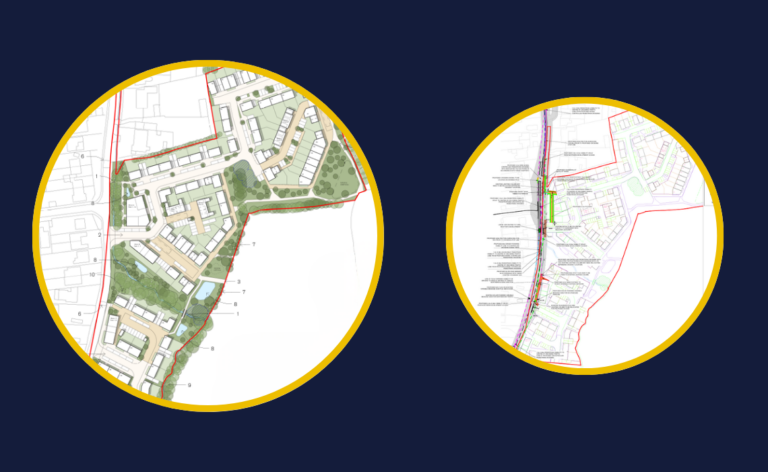
Resolution to grant outline planning secured for up to 104...Read More

MEC provided DMP Healthcare with multidisciplinary technical support for the...Read More
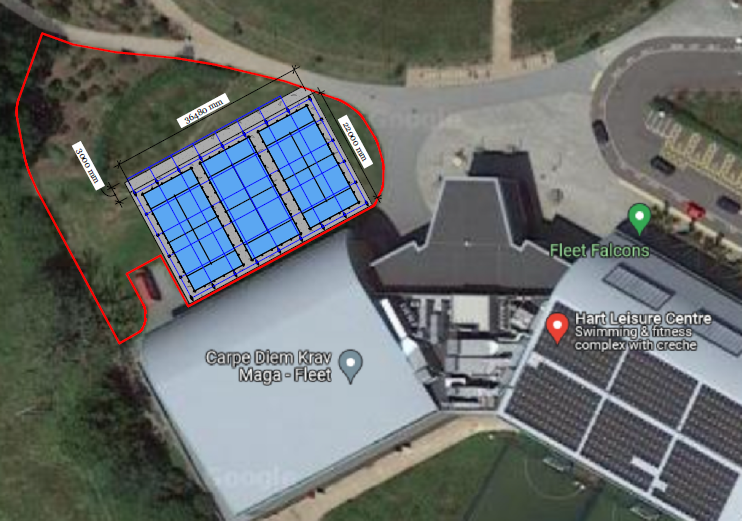
MEC supported planning delivery of three indoor padel courts at...Read More
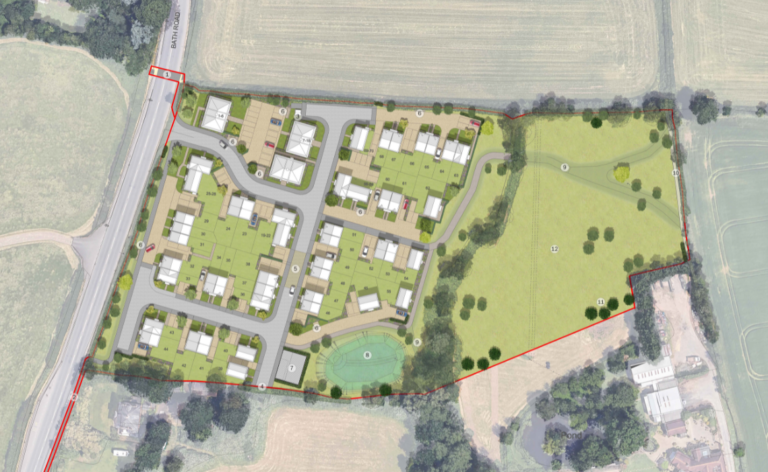
Planning approval has been granted for our client, Bromford, for...Read More
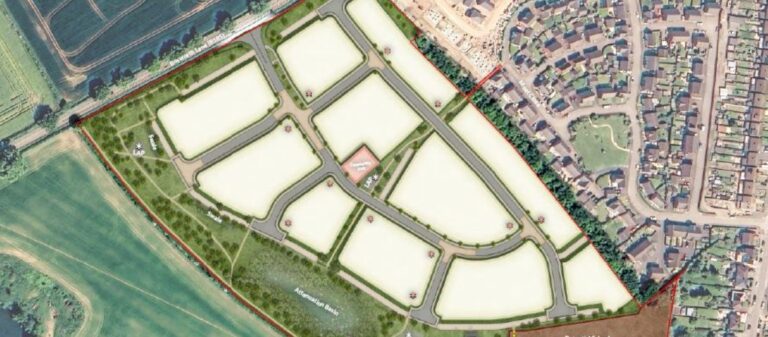
Outline planning approved for 200 dwellings, alongside a small community...Read More
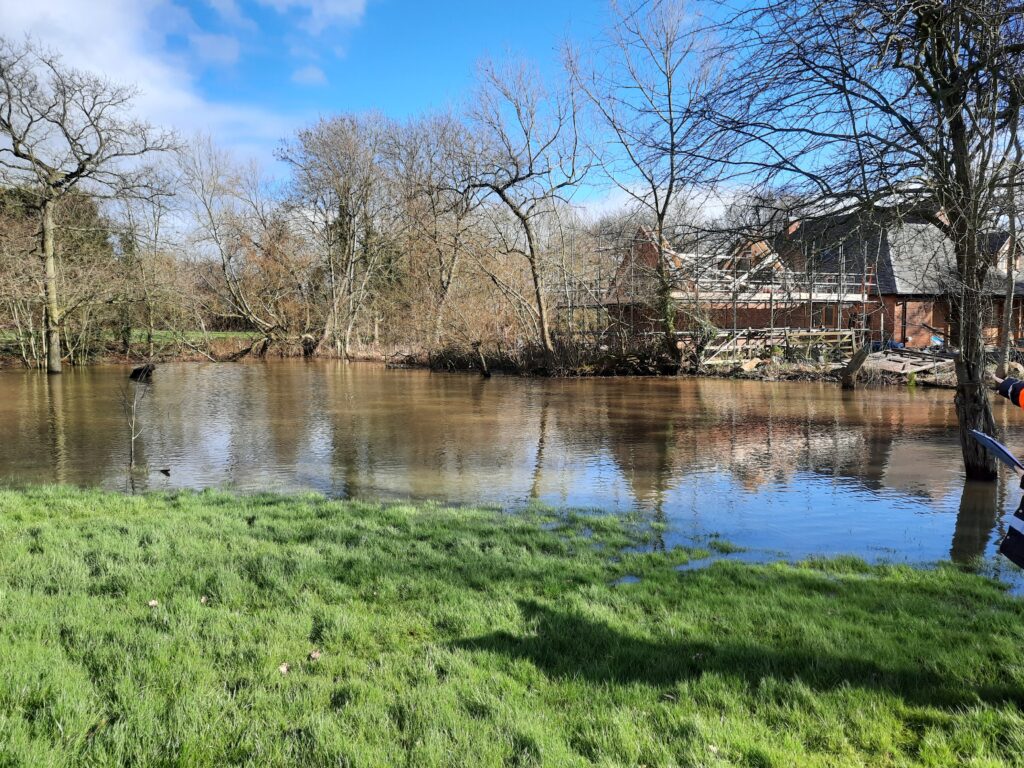
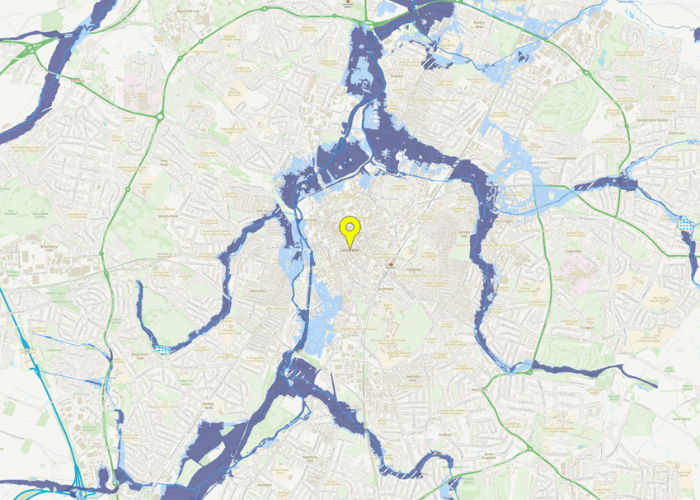
Flood Risk Assessments (FRAs) are often a key requirement when submitting planning applications in areas potentially affected by flooding. Our team prepares clear, robust assessments that identify the sources and likelihood of flooding to a site while evaluating the potential impact a development may have on surrounding areas. By analysing available flood data, site conditions and national planning guidance, we provide practical mitigation measures and recommendations that support compliant and deliverable development proposals.
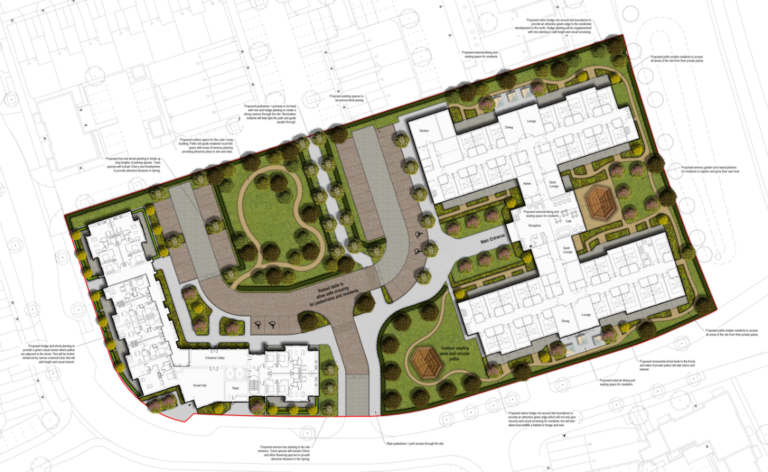
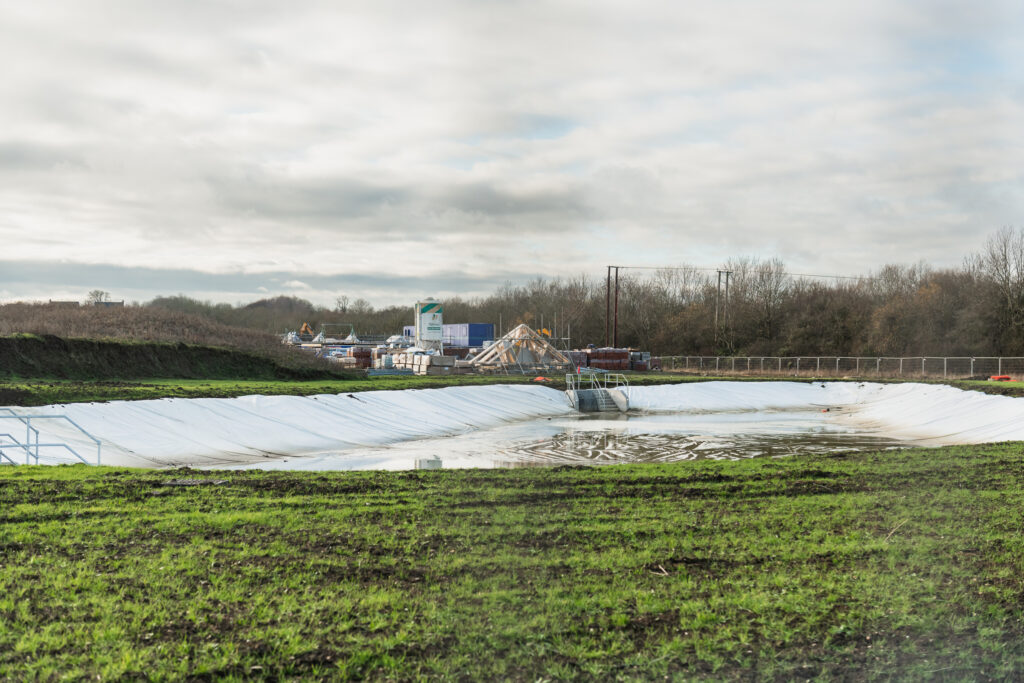
At the early stages of development, conceptual drainage design plays a vital role in shaping how water is managed across a site. Our team develops drainage strategies that incorporate Sustainable Drainage Systems (SuDS), helping to control surface water runoff close to its source. These solutions can include attenuation features, permeable surfaces and green infrastructure that support water management, pollution control and biodiversity while meeting planning and environmental requirements.
Understanding existing drainage conditions is essential to designing effective and compliant drainage systems. Our team carries out detailed drainage investigations to assess surface water and foul water infrastructure, ground conditions and site constraints. This information helps inform drainage strategies, ensuring that proposed solutions are technically sound, aligned with regulatory requirements and capable of supporting development both during planning and throughout construction.
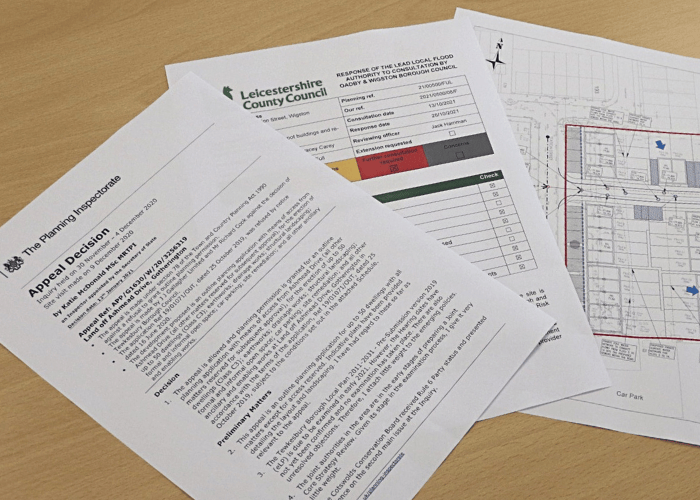
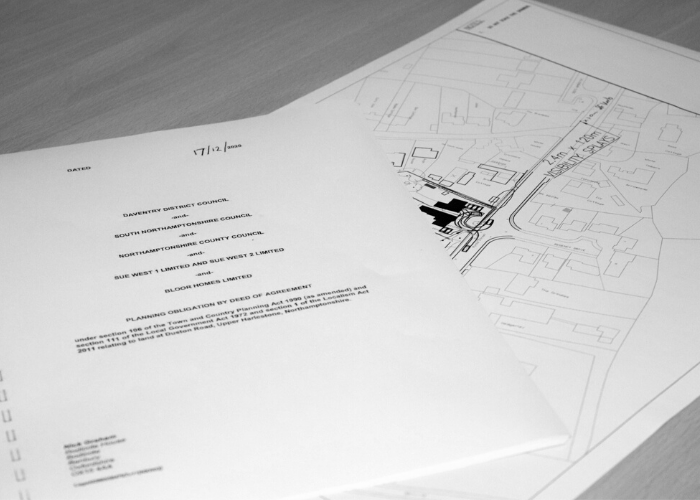
Flood risk and drainage requirements are often tied to planning conditions and legal agreements with local authorities. Our team supports clients through this process by providing technical input, evidence and strategies to address flood and drainage matters during planning negotiations. By working closely with planning authorities, lead local flood authorities and other stakeholders, we help ensure that conditions are satisfied efficiently and that developments can progress smoothly toward delivery.
Flood modelling allows potential flood events to be simulated and analysed to better understand how water may behave across a site and its surrounding area. Using specialist modelling techniques, our team assesses flood levels, flow routes and potential impacts under different scenarios. This detailed analysis supports evidence-based design decisions and helps demonstrate to planning authorities that developments can be delivered safely without increasing flood risk elsewhere.
Where flood risk is identified, our team develops practical mitigation and flood alleviation measures to reduce potential impacts on both the site and neighbouring land. This may include adjustments to site levels, flood storage solutions, strategic drainage design or other engineering interventions. Our approach focuses on creating solutions that not only manage risk effectively but also support the overall viability and deliverability of the development.
Flood risk and drainage conditions can be critical to progressing a development following planning approval. We support clients in addressing and discharging conditions through detailed drainage strategies, designs, calculations and supporting technical information, working with local authorities and relevant stakeholders to help schemes progress towards delivery.
Hydrology and flood risk can form a key component of wider environmental considerations. MEC supports Environmental Impact Assessments by assessing matters such as flood risk, surface water, drainage and the potential effects of development on the water environment. Our team provides clear technical input to support planning applications and help identify appropriate mitigation where required.